

When You Can't Forgive Yourself
Confessed it but still can’t let it go? Learn why self-forgiveness feels so hard for Christians and how to rest in the forgiveness God has already given you.
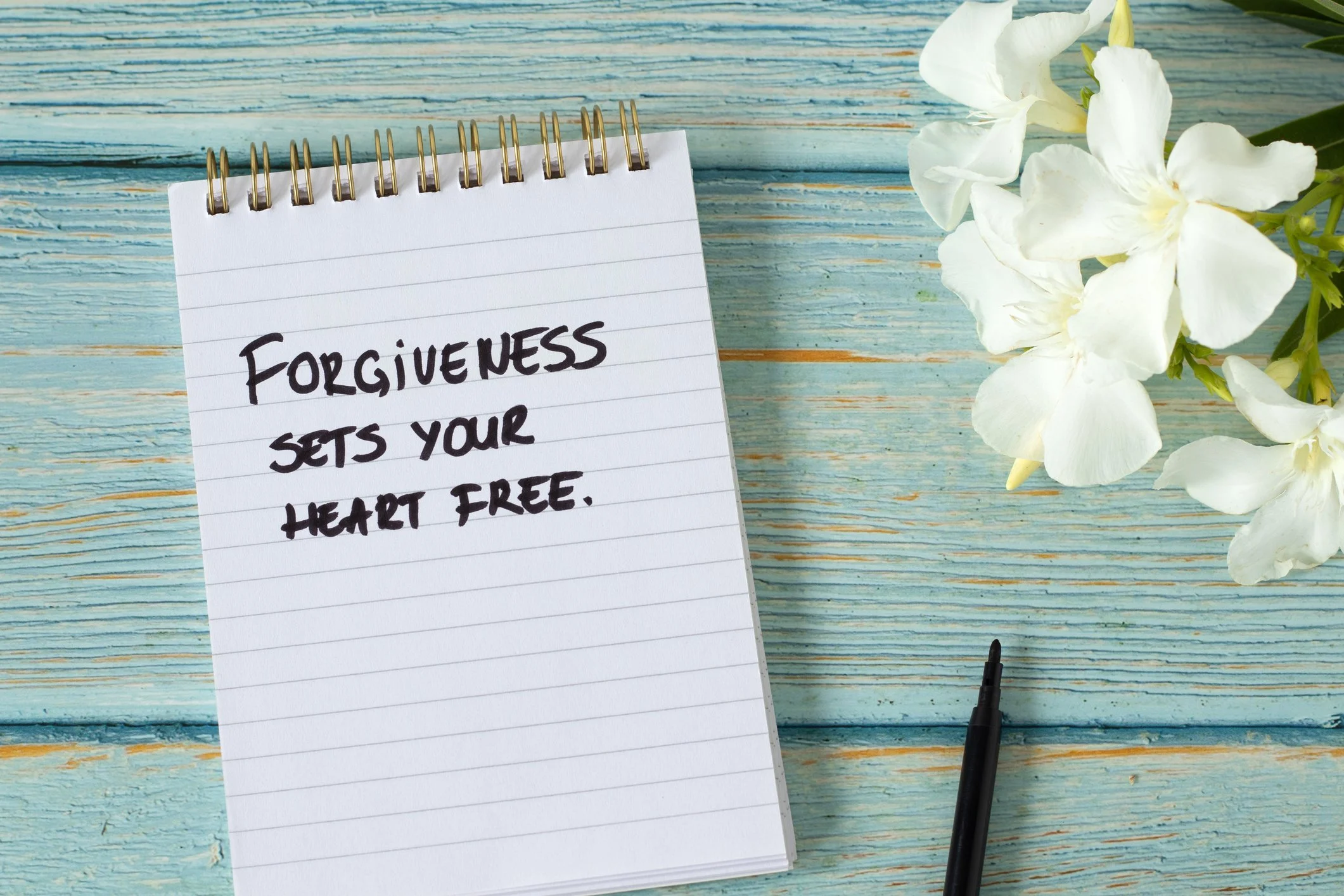
Finding Freedom Through Forgiving Others
Have you ever forgiven someone, or tried to, only to find the hurt coming back months or even years later? You’re not alone, and you’re not failing. Most of us were never shown how to forgive in a way that actually reaches the wound.

Inside the Numbers: How Many Therapy Sessions Happen in the U.S. Every Day?
Mental health has officially moved from a hushed conversation into the mainstream spotlight. Millions of people across the country now carve out time each week to sit on a therapist’s couch—or log into a video call—to work through life’s challenges.
But if you look at the United States as a whole, what does that collective healing look like on a grand scale? If we were to zoom out and look at the national data, how many psychotherapy sessions actually happen across the country on any given day?

Lonely in a Crowded Room: When You Feel Unseen
Do you feel lonely even around people, at home or at church? Learn why it happens, what Scripture says, and one small step toward real connection this week.

When Small Mistakes Feel Huge: Resting in God’s Grace
Small mistakes, loud inner critic? Learn to tell conviction from condemnation and rest in the grace of a God who fully accepts you in Christ. Start today.

8 Tactics That Never Work with a Narcissist (And Why)
Most people married to a narcissist spend years trying things that feel logical and fair. Nearly all of them backfire, because they assume a partner who processes criticism, empathy, and conflict the way you do. The tactics below fail for reasons that follow directly from what we know about the pattern: fragile self-esteem, heavy defensiveness, and low reciprocity.

When Your Self-Worth Rides on Your Performance: The Hidden Cost of Perfectionistic Faith
What the research says about performance-based religion and perfectionism, and how to get off the treadmill

What Actually Helps: A Practical Guide to Living with a Narcissistic Spouse
If the last post felt discouraging, here is the useful part. You can't control a narcissist, but you can change how you show up, what you tolerate, and what supports you build around yourself. Those changes often shift the dynamic more than any argument ever did.
First, a safety screen. If your spouse threatens you, controls your movement or money, or has been physically violent, skip ahead to the last post. Managing the relationship isn't the goal in that situation. Your safety is.

Understanding the Narcissist in Your Home: What Theodore Millon Got Right
If you're married to someone with strong narcissistic traits, you've probably asked some version of this: How can someone so charming in public be so cold at home? Why does a small comment set off a storm? Why does nothing I do ever seem to count?
The psychological literature has some answers. Understanding them won't fix your marriage, but it will stop you from making things worse.

There’s a Difference Between Being Boss and Being Bossy
Every marriage needs someone to book the flight, call the plumber, decide where the money goes this month, and make the call when a decision can't wait for both people to feel ready. Someone has to lead in a given moment — that's not the problem. The trouble starts when leading turns into ruling: when “I'll take care of it” becomes “I'll decide it, and you'll go along with it.” The line between the two isn't about who holds the pen. It's about what happens to the other person's voice once a decision needs to be made.

The Five Hidden Wounds Behind Most Emotional Struggles
In Changes That Heal, Dr. Henry Cloud makes an observation that reshapes how many people understand their own pain: most emotional and psychological struggles aren't random. They trace back to a handful of core dysfunctions — patterns formed early, often without our awareness, that keep replaying in adulthood until they're named and addressed. Five of the most common are suppressing anger, suppressing sadness, feeling like we don't have a choice, feeling isolated from those we love, and always being one-down in relationships.

Why Do I Always Expect Bad Things to Happen?
You get a text from your spouse that just says “call me when you can” and your stomach drops. You wait for a lab result, a performance review, a phone call from your kid’s school, and your mind has already sketched three worst-case scenarios before your phone even rings. If this is a familiar pattern for you, you’re not alone — and you’re not simply “being negative.” Something deeper is usually going on, and understanding it is the first step toward a different way of living.

Christian Counseling and Teletherapy Services
OnPath Counseling Services offers Christian counseling via teletherapy. In fact, we offer all psychotherapy via teletherapy. Teletherapy makes psychotherapy more accessible—no commute, easier scheduling, and options for people in rural areas or with mobility limitations.

How do We Integrate Scripture and Faith into our Counseling?
We integrate Scripture and faith into clinical sessions by weaving biblical principles into our conversations during our sessions with clients. We combine professional mental health interventions with spiritual disciplines to address emotional, mental, and spiritual health at the same time. We take a cognitive approach, believing that what one believes and how one interprets life events affects one’s emotions, desires, and values, which in turn affect one's volition, decisions, intentions, and actions.